
Choosing the Perfect Clay for Claymation: A Comprehensive Guide

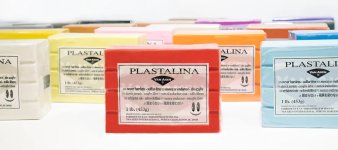
Plasticine: The Time-Tested Favorite
When it comes to claymation, Plasticine reigns supreme as the go-to choice for many animators. This oil-based modeling clay boasts a myriad of advantages that make it a staple in the industry. Its pliability and ease of manipulation render it perfect for animators seeking fluid movement and effortless sculpting. Unlike water-based clays, Plasticine does not dry out, allowing for prolonged work sessions without the fear of your creation hardening prematurely.
Moreover, Plasticine's resilience under hot studio lights ensures that your characters maintain their form throughout the filming process, eliminating the need for frequent adjustments. Brands like Van Aken Claytoon and Chavant offer quality Plasticine options, with a range of neutral and colored varieties to suit different project requirements.
Polymer Clay: Unleashing Creativity with Precision
For animators with a penchant for intricate details and precise expressions, polymer clay emerges as a compelling alternative. Brands like Sculpey and Fimo offer a diverse array of polymer clays that can be cured through baking, providing a permanent, durable finish to your creations. This characteristic makes polymer clay ideal for crafting intricate facial features and accessories that require meticulous attention to detail.
While the upfront investment and additional baking process may deter some animators, the ability to create replaceable parts and maintain consistent character expressions throughout filming outweighs these considerations for many. Aardman Animations, renowned for their iconic claymation films, reportedly utilizes Claytoon, further solidifying its reputation among the animation community.
Innovative Blends: Pushing the Boundaries of Creativity
For those inclined towards experimentation, the realm of claymation offers endless possibilities for innovation. Some animators have embraced unconventional approaches, such as blending different types of clay to achieve customized textures and flexibilities. For example, combining polymer clay like Fimo with Jovi clay can result in a unique blend that satisfies individual preferences. This personalized blending allows for adjustments tailored to specific project requirements, providing a bespoke avenue for creative expression.
Exploring New Frontiers: Roma Plastilina and Beyond
While Plasticine and polymer clay dominate the claymation landscape, alternative options like Roma Plastilina warrant consideration. Although less commonly utilized, Roma Plastilina offers its own set of characteristics and qualities that may resonate with certain animators. Its suitability for claymation projects remains an area ripe for exploration, inviting animators to venture beyond the confines of conventional clay choices.
In Conclusion
Selecting the ideal clay for your claymation endeavors is a decision not to be taken lightly. Whether you opt for the time-tested reliability of Plasticine, the precision of polymer clay, or the allure of innovative blends, each choice brings its own set of advantages and considerations. As with any artistic pursuit, experimentation and exploration are key to discovering the perfect medium for bringing your creative vision to life. So, embrace the journey, unleash your imagination, and let the magic of claymation unfold before your eyes.
Warm regards, Magshifter